
Introduction To Mcp
What is Introduction To Mcp
The introduction-to-mcp repository is a comprehensive guide designed to help users understand and utilize the Model Context Protocol (MCP) in AI applications. It includes course content, objectives, and links to additional resources.
Use cases
Use cases for introduction-to-mcp include developing AI applications that require context management, implementing server-client architectures for AI models, and troubleshooting common issues in MCP implementations.
How to use
To use introduction-to-mcp, users should follow the structured course content provided in the repository. This includes reading through the introductory materials, understanding the basics of MCP, setting up servers and clients, and applying best practices.
Key features
Key features of introduction-to-mcp include a detailed overview of MCP fundamentals, server and client setup instructions, best practices for implementation, troubleshooting guidance, and practical tasks to reinforce learning.
Where to use
Introduction-to-mcp can be used in various fields such as artificial intelligence, software development, and any application requiring context-aware model interactions.
Clients Supporting MCP
The following are the main client software that supports the Model Context Protocol. Click the link to visit the official website for more information.





Overview
What is Introduction To Mcp
The introduction-to-mcp repository is a comprehensive guide designed to help users understand and utilize the Model Context Protocol (MCP) in AI applications. It includes course content, objectives, and links to additional resources.
Use cases
Use cases for introduction-to-mcp include developing AI applications that require context management, implementing server-client architectures for AI models, and troubleshooting common issues in MCP implementations.
How to use
To use introduction-to-mcp, users should follow the structured course content provided in the repository. This includes reading through the introductory materials, understanding the basics of MCP, setting up servers and clients, and applying best practices.
Key features
Key features of introduction-to-mcp include a detailed overview of MCP fundamentals, server and client setup instructions, best practices for implementation, troubleshooting guidance, and practical tasks to reinforce learning.
Where to use
Introduction-to-mcp can be used in various fields such as artificial intelligence, software development, and any application requiring context-aware model interactions.
Clients Supporting MCP
The following are the main client software that supports the Model Context Protocol. Click the link to visit the official website for more information.
Content
Introduction to the Model Context Protocol (MCP)
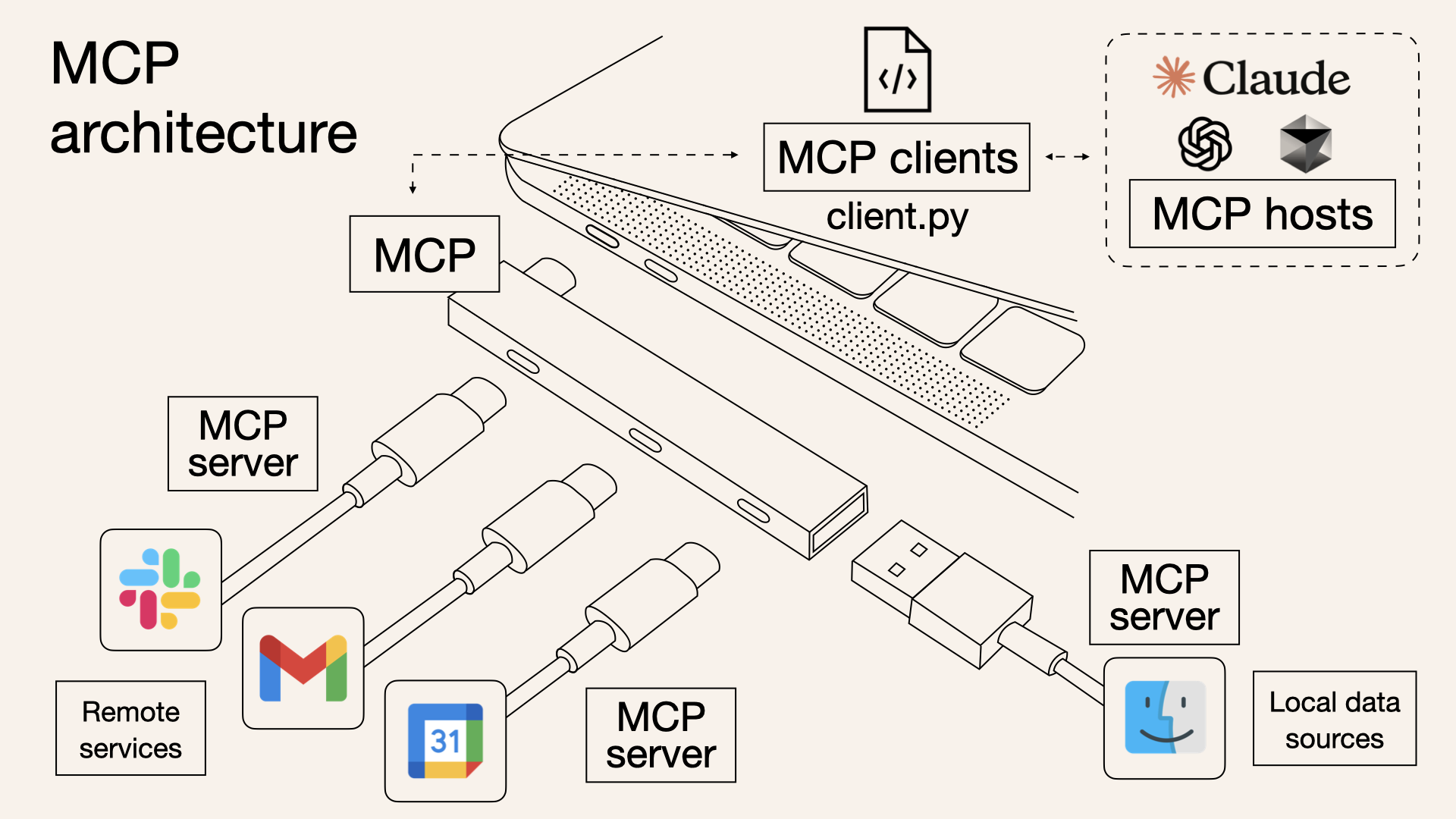

Welcome to the Introduction to MCP course! This repository serves as a comprehensive guide to understanding and utilizing the Model Context Protocol (MCP) in AI applications. Below, you will find an overview of the course content, objectives, and links to additional resources.
Course Content Overview
- Introduction
- What is MCP?
- Why MCP?
- Architecture
- Getting Started
- Server Demo
- Client Demo
- Best Practices
- Troubleshooting
- Resources
- Building MCP with LLMs
- Debugging & Inspector Guide
- Inspector Guide
Objectives
By the end of this course, you will:
- Understand the fundamentals of the Model Context Protocol (MCP).
- Be able to set up and configure both servers and clients using MCP.
- Learn best practices for implementing MCP in your applications.
- Gain troubleshooting skills for common issues related to MCP.
Resources
License
This project is licensed under the terms outlined in the LICENSE file. Please review it for details on how you can use and share this content.
Thank you for joining this course on the Model Context Protocol! We hope you find it informative and engaging.
Dev Tools Supporting MCP
The following are the main code editors that support the Model Context Protocol. Click the link to visit the official website for more information.







