
Monad Mcp Tutorial
What is Monad Mcp Tutorial
Monad MCP Tutorial is a project that demonstrates how to create a MCP server that interacts with the Monad testnet, specifically for checking MON token balances.
Use cases
Use cases include developing decentralized applications (dApps) that need to verify token balances, creating tools for monitoring accounts on the Monad testnet, and integrating with AI models for enhanced user interactions.
How to use
To use the monad-mcp-tutorial, clone the repository, install the dependencies using npm or yarn, and then define the MCP server instance and tools as per the provided instructions.
Key features
Key features include the ability to check MON token balances on the Monad testnet, a structured tool implementation for querying balances, and compatibility with Claude Desktop.
Where to use
Monad MCP Tutorial can be used in blockchain development, particularly for applications that require interaction with the Monad testnet and balance checking of MON tokens.
Clients Supporting MCP
The following are the main client software that supports the Model Context Protocol. Click the link to visit the official website for more information.





Overview
What is Monad Mcp Tutorial
Monad MCP Tutorial is a project that demonstrates how to create a MCP server that interacts with the Monad testnet, specifically for checking MON token balances.
Use cases
Use cases include developing decentralized applications (dApps) that need to verify token balances, creating tools for monitoring accounts on the Monad testnet, and integrating with AI models for enhanced user interactions.
How to use
To use the monad-mcp-tutorial, clone the repository, install the dependencies using npm or yarn, and then define the MCP server instance and tools as per the provided instructions.
Key features
Key features include the ability to check MON token balances on the Monad testnet, a structured tool implementation for querying balances, and compatibility with Claude Desktop.
Where to use
Monad MCP Tutorial can be used in blockchain development, particularly for applications that require interaction with the Monad testnet and balance checking of MON tokens.
Clients Supporting MCP
The following are the main client software that supports the Model Context Protocol. Click the link to visit the official website for more information.
Content
Monad MCP Tutorial
This project demonstrates how to create a MCP server that interacts with the Monad testnet. The MCP server provides a tool for checking MON token balances on the Monad testnet.
What is MCP?
The Model Context Protocol (MCP) is a standard that allows AI models to interact with external tools and services.
In this tutorial, we’re creating an MCP server that allows MCP Client (Claude Desktop) to query Monad testnet to check MON balance of an account.
Prerequisites
- Node.js (v16 or later)
npmoryarn- Claude Desktop
Getting Started
- Clone this repository
git clone https://github.com/monad-developers/monad-mcp-tutorial.git
- Install dependencies:
npm install
Building the MCP server
Monad Testnet related configuration is already added to index.ts in the src folder.
Define the server instance
// Create a new MCP server instance
const server = new McpServer({
  name: "monad-testnet",
  version: "0.0.1",
  // Array of supported tool names that clients can call
  capabilities: ["get-mon-balance"]
});
Defining the MON balance tool
Below is the scaffold of the get-mon-balance tool:
server.tool(
    // Tool ID
    "get-mon-balance",
    // Description of what the tool does
    "Get MON balance for an address on Monad testnet",
    // Input schema
    {
        address: z.string().describe("Monad testnet address to check balance for"),
    },
    // Tool implementation
    async ({ address }) => {
        // code to check MON balance
    }
);
Let’s add the MON balance check implementation to the tool:
server.tool(
    // Tool ID
    "get-mon-balance",
    // Description of what the tool does
    "Get MON balance for an address on Monad testnet",
    // Input schema
    {
        address: z.string().describe("Monad testnet address to check balance for"),
    },
    // Tool implementation
    async ({ address }) => {
        try {
            // Check MON balance for the input address
            const balance = await publicClient.getBalance({
                address: address as `0x${string}`,
            });

            // Return a human friendly message indicating the balance.
            return {
                content: [
                    {
                        type: "text",
                        text: `Balance for ${address}: ${formatUnits(balance, 18)} MON`,
                    },
                ],
            };
        } catch (error) {
            // If the balance check process fails, return a graceful message back to the MCP client indicating a failure.
            return {
                content: [
                    {
                        type: "text",
                        text: `Failed to retrieve balance for address: ${address}. Error: ${
                        error instanceof Error ? error.message : String(error)
                        }`,
                    },
                ],
            };
        }
    }
);
Initialize the transport and server from the main function
async function main() {
    // Create a transport layer using standard input/output
    const transport = new StdioServerTransport();

    // Connect the server to the transport
    await server.connect(transport);

    console.error("Monad testnet MCP Server running on stdio");
}
Build the project
npm run build
The server is now ready to use!
Adding the MCP server to Claude Desktop
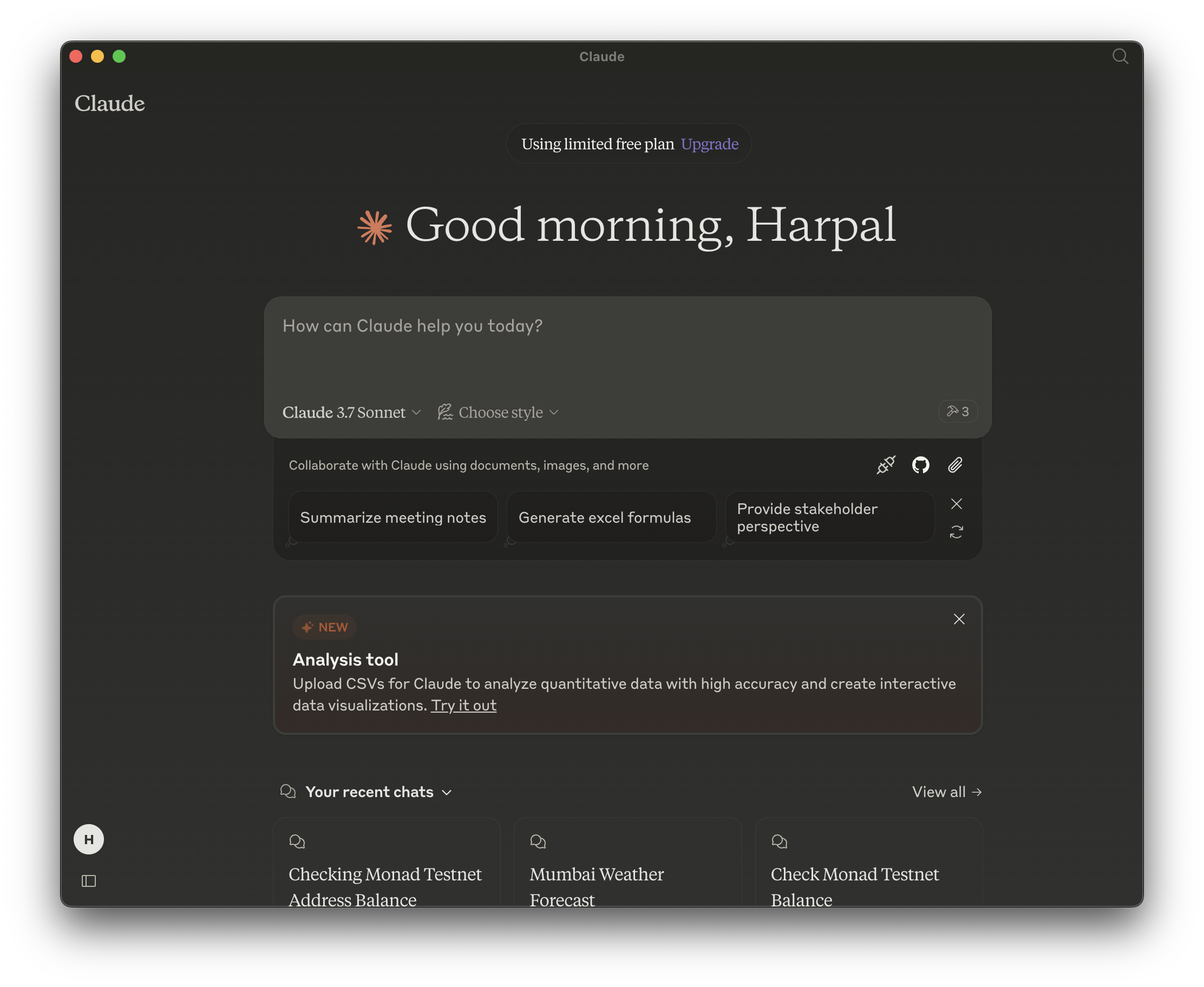
- Open “Claude Desktop”
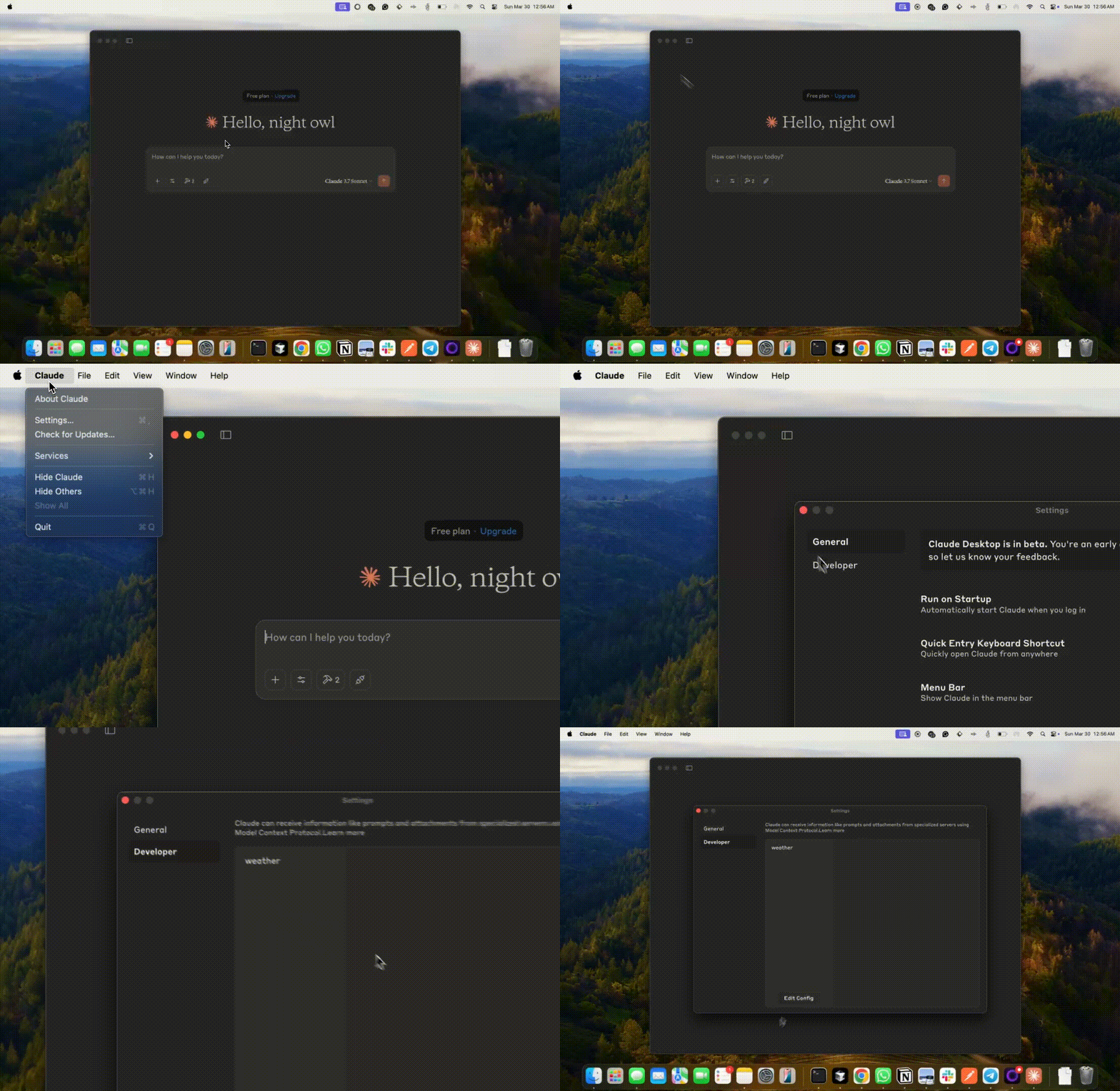
- Open Settings
Claude > Settings > Developer
- Open
claude_desktop_config.json
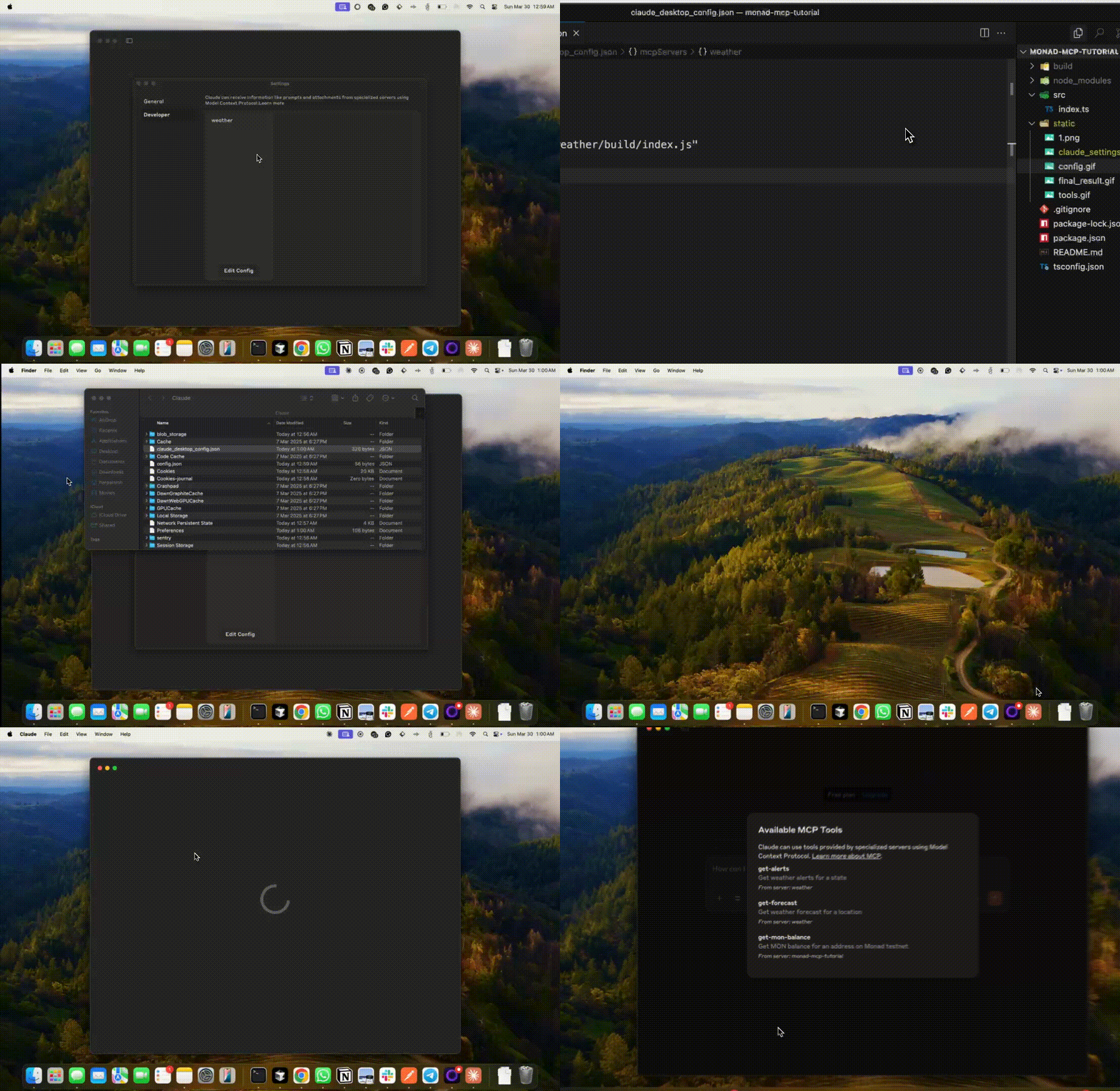
- Add details about the MCP server and save the file.
- Restart “Claude Desktop”
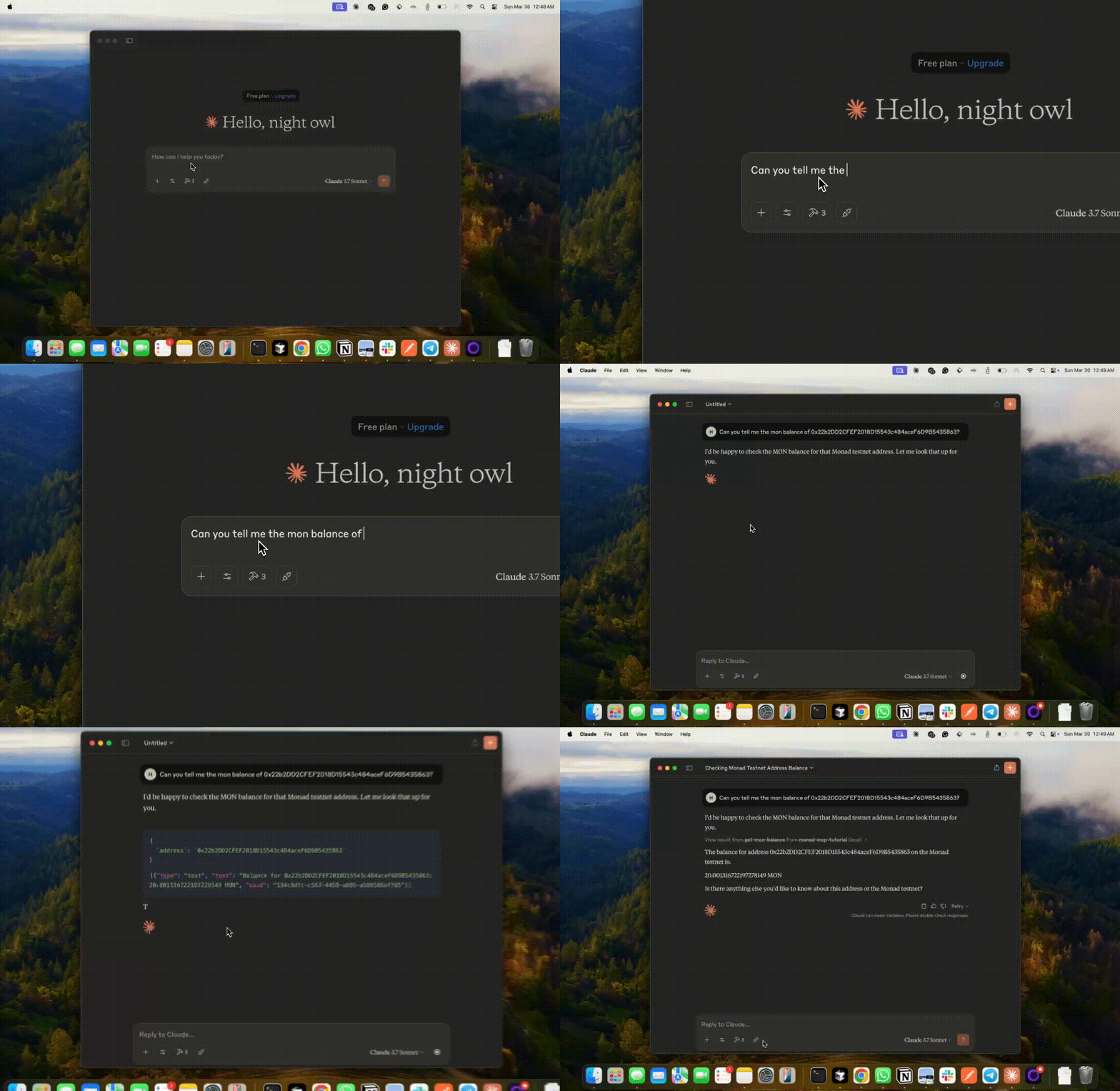
Using the MCP server
Here’s the final result
Further Resources
Dev Tools Supporting MCP
The following are the main code editors that support the Model Context Protocol. Click the link to visit the official website for more information.







