
Sonarqube Mcp
What is Sonarqube Mcp
sonarqube_MCP is a FastMCP server that serves as a bridge to interact with SonarQube APIs. It provides tools for monitoring and analyzing code quality through SonarQube.
Use cases
Use cases for sonarqube_MCP include validating SonarQube tokens, checking the health of the SonarQube server, retrieving unresolved project issues, listing projects, and obtaining key quality metrics for software projects.
How to use
To use sonarqube_MCP, set up your environment variables, install the required dependencies, and run the server using Python. The server will provide MCP-compliant endpoints for interaction with your SonarQube instance.
Key features
Key features of sonarqube_MCP include health checks, token validation, project issue retrieval, project listing, and project metrics retrieval. It allows users to monitor the status of their SonarQube server and fetch detailed project-related information.
Where to use
sonarqube_MCP can be used in software development environments where code quality monitoring and analysis are essential. It is particularly useful for teams utilizing SonarQube for continuous integration and delivery.
Clients Supporting MCP
The following are the main client software that supports the Model Context Protocol. Click the link to visit the official website for more information.





Overview
What is Sonarqube Mcp
sonarqube_MCP is a FastMCP server that serves as a bridge to interact with SonarQube APIs. It provides tools for monitoring and analyzing code quality through SonarQube.
Use cases
Use cases for sonarqube_MCP include validating SonarQube tokens, checking the health of the SonarQube server, retrieving unresolved project issues, listing projects, and obtaining key quality metrics for software projects.
How to use
To use sonarqube_MCP, set up your environment variables, install the required dependencies, and run the server using Python. The server will provide MCP-compliant endpoints for interaction with your SonarQube instance.
Key features
Key features of sonarqube_MCP include health checks, token validation, project issue retrieval, project listing, and project metrics retrieval. It allows users to monitor the status of their SonarQube server and fetch detailed project-related information.
Where to use
sonarqube_MCP can be used in software development environments where code quality monitoring and analysis are essential. It is particularly useful for teams utilizing SonarQube for continuous integration and delivery.
Clients Supporting MCP
The following are the main client software that supports the Model Context Protocol. Click the link to visit the official website for more information.
Content
SonarQube MCP Server
This is a FastMCP server that provides a bridge to interact with SonarQube APIs. The server offers various tools to monitor and analyze code quality using SonarQube.
Features
1. Health Check
- Endpoint:
sonar_health_check - Checks the status of your SonarQube server
- Returns the current health status and connection information
2. Token Validation
- Endpoint:
get_token_info - Validates the SonarQube authentication token
- Returns authentication status and associated user information
3. Project Issues
- Endpoint:
get_project_issues - Fetches unresolved issues for a specific project
- Returns detailed information about:
- Bugs
- Code smells
- Vulnerabilities
- Issue severity and status
- File location and line numbers
4. Project Listing
- Endpoint:
list_projects - Lists all accessible SonarQube projects
- Provides project keys, names, and visibility settings
5. Project Metrics
- Endpoint:
get_project_metrics - Retrieves key quality metrics for a project including:
- Bug count
- Vulnerability count
- Code smell count
- Code coverage
- Duplicated lines density
- Reliability rating
- Security rating
- Maintainability rating (SQALE)
Configuration
The server uses the following environment variables:
SONARQUBE_URL=http://localhost:9000  # Default SonarQube server URL
SONARQUBE_TOKEN=                     # Your SonarQube authentication token
PROJECT_KEY=default_project          # Default project key for operations
Requirements
Check the requirements.txt file for all dependencies. The main requirements include:
- FastMCP
- Requests
Usage
- Set up your environment variables
- Install the requirements
- Run the server using Python
The server will start and provide MCP-compliant endpoints for interacting with your SonarQube instance.
Docker Usage
Security Notice
For security reasons, sensitive environment variables like SONARQUBE_TOKEN and PROJECT_KEY should not be stored in the Dockerfile. Instead, they should be passed at runtime using environment variables or environment files.
Building the Image
To build the Docker image:
docker build -t sonarqube-mcp .
💡 How to Integrate This Tool with VS Code and Make It Smarter
-
Open your VS Code Settings
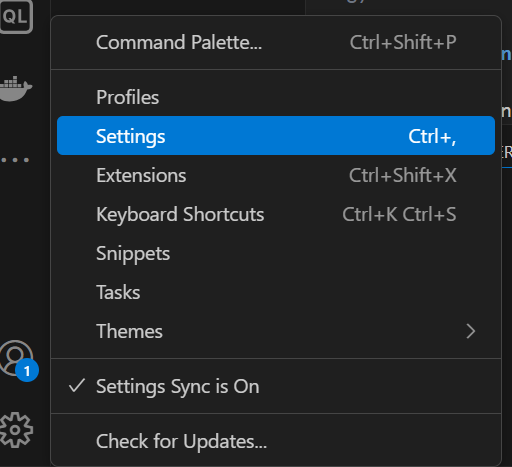
-
In the search bar, type mcp
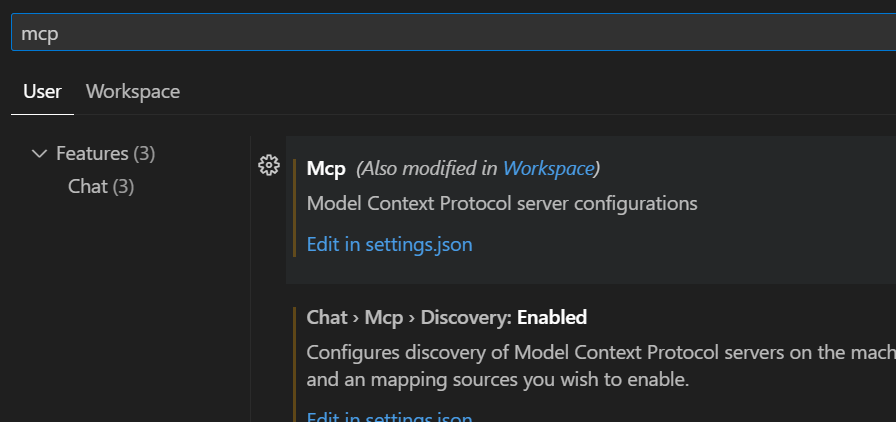
-
Click on “Edit in settings.json”
-
Under the mcp section, add the following configuration:
Adding it in MCP server config
      "sonarqubemcp": {
        "command": "docker",
        "args": [
          "run",
          "-i",
          "--rm",
          "--init",
          "-e",
          "SONARQUBE_URL",
          "-e",
          "SONARQUBE_TOKEN",
          "-e",
          "PROJECT_KEY",
          "dhanushhypervisor/sonarqube_mcp_server"
        ],
        "env": {
          "SONARQUBE_URL": "<server_url>",
          "SONARQUBE_TOKEN" : "<server_token>",
          "PROJECT_KEY": "<project_name>",
        }
      }
Environment Variables
When running the container, configure these required environment variables:
SONARQUBE_URL: URL of your SonarQube serverSONARQUBE_TOKEN: Your SonarQube authentication tokenPROJECT_KEY: The default project key to analyze
The server runs on Python 3.10 and uses the uv package manager for dependency management and execution.
Error Handling
The server includes comprehensive error handling for:
- Connection issues
- Authentication failures
- Permission problems
- Invalid project keys
- General API errors
Each endpoint returns detailed error messages to help diagnose issues.
Dev Tools Supporting MCP
The following are the main code editors that support the Model Context Protocol. Click the link to visit the official website for more information.







